
English
Views: 147 Author: Site Editor Publish Time: 2026-07-13 Origin: Site
Developing sustained-release delivery systems and high-density tissue scaffolds demands rigorous control over fundamental material properties. Engineers must strictly manage immunogenicity, degradation rates, and structural stability to ensure clinical viability. However, standard commercial solutions often fall short. Pre-dissolved liquid collagen typically caps at lower concentrations around 3-5 mg/mL. Severe viscosity constraints cause this severe limitation. This low concentration drastically restricts structural integrity for advanced 3D tissue engineering.
High-purity soluble atelocollagen powder solves this precise dilemma. It allows R&D teams to easily bypass restrictive liquid concentration limits. You can custom formulate high-concentration solutions and design controlled-porosity collagen sponges. This guide offers a comprehensive technical framework. We will explore how to source, prepare, and validate soluble atelocollagen powder. You need these techniques for your most demanding structural and therapeutic biomedical applications.
Custom Concentration: Soluble atelocollagen powder allows for the preparation of solutions exceeding 10-20 mg/mL, crucial for dense scaffold engineering.
Optimized for Lyophilization: Powder-derived solutions provide the structural foundation needed for freeze-drying into collagen sponges with precise pore architectures.
Sustained Release Integrity: Pepsin-treated atelocollagen exhibits reduced immunogenicity, ensuring predictable in vivo degradation and steady drug/protein elution profiles.
Procurement Criteria: Procurement decisions must weigh endotoxin levels, source traceability (e.g., bovine/porcine dermis or tendon), and verified telopeptide removal to ensure batch-to-batch clinical relevance.
Standard type I collagen naturally retains telopeptides at its molecular ends. These non-helical domains significantly increase the risk of a severe immune response when implanted. Furthermore, pre-formulated liquid collagen becomes entirely too viscous to manipulate at higher densities. You cannot easily reach the concentrations required for sustained-release matrices using standard liquids. High shear forces during mixing often damage the sensitive protein structures.
Pepsin treatment solves this fundamental flaw. Manufacturers treat native collagen using pepsin enzymes to cleave terminal telopeptides. This enzymatic process achieves two critical outcomes. First, it drastically lowers the immunogenic risk profile. This makes the material essential for in vivo sustained-release implants. Second, it strictly maintains the native triple-helix structure. You need this intact molecular structure for eventual fibrillogenesis and ultimate scaffold strength.
Moving from pre-mixed liquids to lyophilized powders demands a reliable internal protocol for reconstitution. However, the operational benefits far outweigh the initial learning curve.
Teams significantly reduce shipping logistics by eliminating unnecessary water weight.
The dry powder format extends product shelf life considerably under proper storage.
It provides ultimate formulation flexibility for complex tissue engineering projects.
Engineers gain exact control over the final matrix density and stiffness.
Preparing concentrations above 10 mg/mL requires a specifically tailored acidic environment. You typically use 1mM to 10mM HCl or a dilute acetic acid solution. This acidic solvent ensures complete molecular dispersion. It prevents premature gelling during the critical initial mixing phase. Achieving a homogenous mixture at these concentrations requires specialized overhead stirrers rather than simple magnetic bars.
High-concentration solutions remain highly sensitive to minor pH and temperature shifts. Stirring and dissolution must occur continuously at 2–8°C. This strict temperature control prevents unwanted fiber formation. It also protects the delicate protein structures from irreversible denaturation. You must carefully monitor the cooling bath to maintain this narrow window.
When you formulate solutions using soluble atelocollagen powder at high concentrations, they inevitably entrap microscopic air bubbles. You must remove these bubbles before proceeding to the next step. Low-temperature centrifugation acts as a mandatory process step here. Centrifuging at 4°C removes trapped air efficiently. You cannot cast or mold the solution until it is completely degassed. Trapped air creates weak points in the final sponge matrix.
Finally, you must execute a strict neutralization protocol. Transitioning the acidic solution to a physiological pH of 7.4 initiates controlled gelation. R&D teams must carefully validate their buffer systems. Using 10X PBS combined with mild alkaline solutions is a common approach. Validated buffers ensure homogenous fibril assembly when you eventually raise the temperature to 37°C.
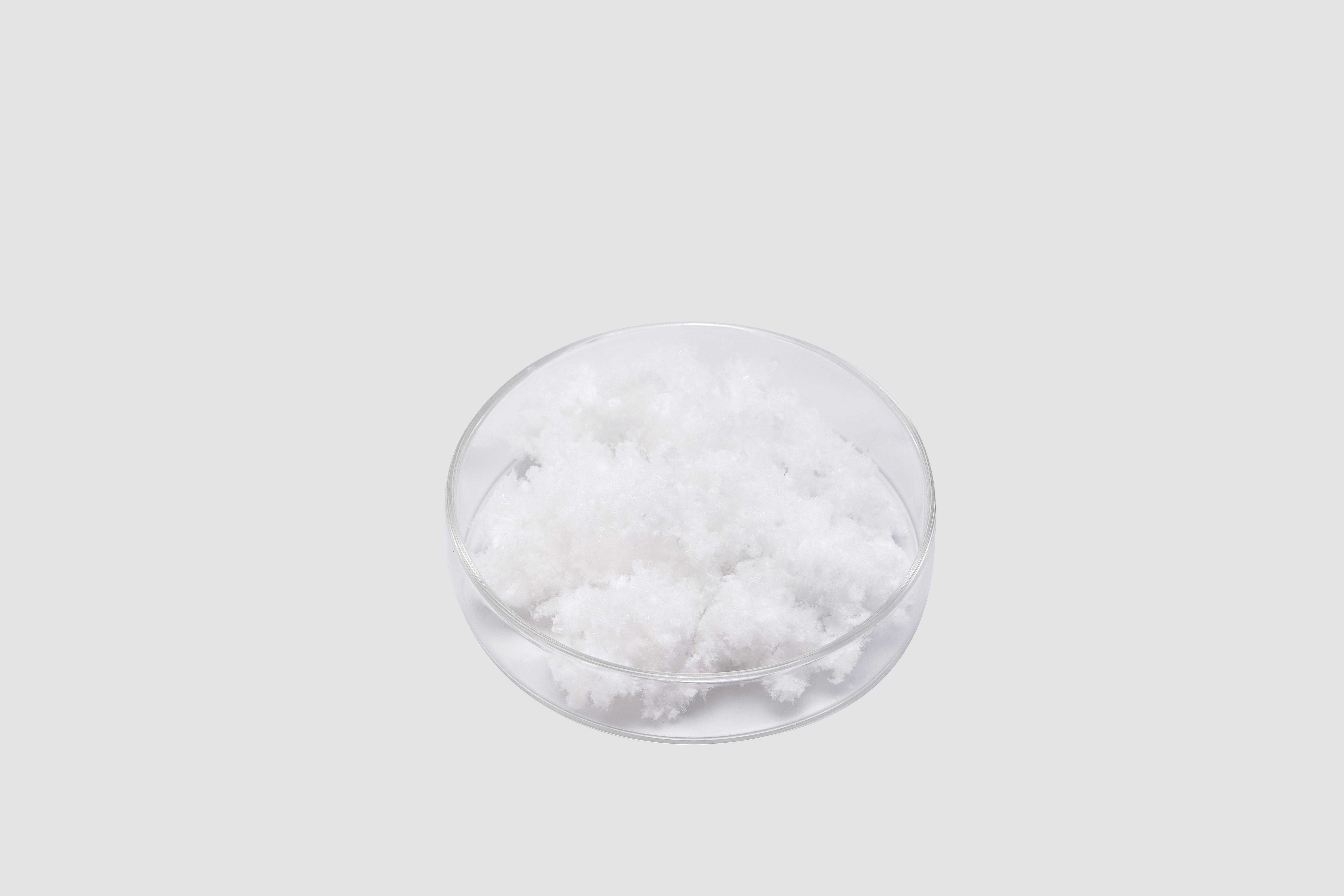
Sponge fabrication relies heavily on precise lyophilization techniques. The core method involves transitioning a high-concentration solution into a solid, porous matrix. You achieve this through carefully controlled freezing and subsequent vacuum sublimation phases. Understanding primary and secondary drying cycles ensures you remove all residual moisture without collapsing the delicate pores.
Controlling the pore size is an absolute expertise marker in biomaterial engineering. Freezing temperature directly dictates the initial ice crystal size. These ice crystals subsequently determine the final pore architecture of your dry sponge.
Slower freezing profiles yield much larger pores. Large pores are ideal for deep cellular infiltration and tissue integration.
Rapid freezing profiles create smaller, denser pore structures. Engineers prefer these dense pores for strict, long-term drug elution applications.
Uncross-linked sponges dissolve entirely too rapidly in vivo. They cannot provide reliable sustained release without additional stabilization. You must implement robust cross-linking strategies to control degradation rates accurately.
Cross-Linking Method | Mechanism Type | Primary Advantage | Common Limitation |
|---|---|---|---|
EDC/NHS | Chemical | Highly precise degradation control | Requires extensive post-process washing |
Glutaraldehyde | Chemical | Creates exceptionally strong bonds | High risk of residual cytotoxicity |
Dehydrothermal (DHT) | Physical | Simultaneously sterilizes the matrix | High heat damages sensitive APIs |
UV irradiation | Physical | Rapid processing time at room temp | Limited penetration depth for thick sponges |
Evaluating drug encapsulation timing remains another crucial step. You must strategically decide when to incorporate active pharmaceutical ingredients (APIs). You can mix them directly into the liquid phase prior to freeze-drying. Alternatively, you can absorb them directly into the pre-formed sponge structure. Early integration ensures uniform distribution. Post-fabrication absorption protects heat-sensitive biologicals from severe freeze-drying stresses.
Not all raw materials perform equally in advanced biomedical applications. You must establish strict evaluation criteria before purchasing bulk supplies.
Purity and Monomer/Dimer Content
High-grade powders should consistently demonstrate >95% purity of Type I collagen. You verify this metric via SDS-PAGE analysis. High purity ensures absolute structural predictability during scaffold fabrication. It minimizes the risk of unexpected batch variations.
Endotoxin Specifications (EU/mg)
Strictly defined endotoxin limits are non-negotiable for implantable models. You must evaluate potential suppliers based on strict certificate of analysis (CoA) thresholds. Depending on your exact application stage, you should demand <0.1 EU/mg or <1.0 EU/mg limits. High endotoxin levels trigger severe inflammatory cascades in vivo.
Moisture Content and Solubility
Residual moisture in the dry powder directly affects precise weight-to-volume calculations. Look for verifiable and transparent solubility data. You want to completely avoid un-dissolved particulate matter floating in your final hydrogel. Accurate moisture data ensures your 15 mg/mL target is genuinely 15 mg/mL.
Source Material Traceability
Source material traceability remains critical for eventual regulatory compliance. You need clear documentation of animal origin. Specific pathogen-free bovine or porcine sources are standard industry requirements. Full traceability guarantees downstream scalability. It significantly simplifies future FDA or CE approval pathways.
Reputable suppliers typically provide highly sterile raw materials. They use gamma irradiation or aseptic lyophilization to achieve this. However, manual reconstitution immediately introduces severe contamination risks into your controlled workflow.
To mitigate this risk, all handling must occur inside Class II biological safety cabinets. You must exclusively use pre-chilled, fully sterile diluents. You cannot easily sterile-filter high-concentration solutions through standard 0.22 µm filters. The extreme fluid viscosity absolutely prevents it. Therefore, maintaining strict aseptic technique throughout powder dissolution is mandatory.
Even when using highly optimized protocols, localized pH imbalances cause major issues. During neutralization, a poor buffer mix can quickly trigger flash-gelling. This localized gelation creates clumpy, unusable solutions. It ruins the entire batch instantly. Dropwise buffer addition under continuous low-speed stirring prevents this phenomenon.
Before committing to a massive supplier contract, R&D teams must act cautiously. You should always request small sample sizes first. Use these samples to validate actual dissolution times in your lab environment. Verify that the resulting sponge precisely matches your required degradation profile. Test it directly in your specific in vitro assay or animal model to ensure biological compatibility.
Transitioning to soluble atelocollagen powder highly empowers biomaterial engineers. It unlocks precise control over matrix concentration, architectural pore size, and mechanical durability. This level of manipulation is mandatory for building viable sustained-release delivery vehicles and robust tissue scaffolds.
When selecting a manufacturing partner, prioritize radical transparency. Look for detailed CoAs, strict endotoxin limits, and extensive technical support documentation. You need a reliable partner capable of supporting your transition from bench research to full-scale clinical production.
Your immediate next step involves direct material assessment. Review available material datasheets thoroughly. Request specialized protocol guides tailored for high-concentration dissolution. Finally, order small evaluation samples to test compatibility against your specific cross-linking and lyophilization workflows.
A: Dissolution time relies heavily on target concentration and your chosen stirring method. Preparing concentrations above 10 mg/mL demands patience. You often need 24 to 48 hours of gentle, continuous agitation. This process must remain at 2–8°C. This prolonged cooling ensures you achieve a fully homogenous, bubble-free solution without denaturing the sensitive proteins.
A: Generally, no. Solutions that exceed 3-5 mg/mL become incredibly viscous. They simply cannot pass through standard 0.22 µm sterile filters. Because of this physical limitation, you must procure the powder in a pre-sterilized format. Furthermore, your team must perform all subsequent reconstitution steps using strict aseptic techniques inside a biosafety cabinet.
A: Your optimal method relies completely on the drug's thermal and chemical sensitivity. Dehydrothermal (DHT) treatment works exceptionally well since it avoids toxic chemicals. However, DHT requires intense vacuum heat. This ruins heat-sensitive drugs. EDC/NHS chemical cross-linking offers precise degradation control without causing thermal stress. You must simply ensure you wash out all unreacted agents thoroughly.
A: Standard acid-soluble collagen stubbornly retains its immunogenic telopeptide ends. Atelocollagen undergoes a specific enzymatic cleavage process to remove these problematic ends. This crucial pepsin treatment drastically reduces the risk of triggering a foreign body immune response. Importantly, it achieves this safety profile while perfectly maintaining the native triple-helix structure necessary for forming a durable sponge.