
English
Views: 0 Author: Site Editor Publish Time: 2025-08-08 Origin: Site
Proteins are essential for life, but not all of them are the same. Some, like fibrillar proteins, play a key role in keeping tissues strong and flexible.
In this article, we’ll dive into the function of fibrillar proteins, with a focus on collagen. You’ll learn how they help support the body’s tissues and maintain their function.
Fibrillar proteins are distinguished by their elongated, thread-like structures, which allow them to form extensive networks that provide support and elasticity to tissues. Their unique structural characteristics make them highly resistant to mechanical stress, which is critical for tissues such as skin, bones, tendons, and blood vessels. These proteins often play structural roles in maintaining the integrity of the extracellular matrix (ECM), offering support to cells and tissues, as well as enabling them to adapt to mechanical stress without losing their strength or flexibility.
One of the most prominent fibrillar proteins in the human body is collagen. Collagen's triple-helix structure enables it to provide both strength and flexibility, ensuring that tissues like skin, bones, and tendons remain stable under physical stress. This protein is vital for maintaining the structural integrity of the body and plays a key role in various biological functions, such as wound healing and tissue regeneration.
Collagen is the most abundant protein in the human body, found in tissues like skin, bones, and tendons. It provides strength and elasticity, making tissues durable and flexible. Collagen fibers create strong networks that support the body’s structure and help it withstand pressure.
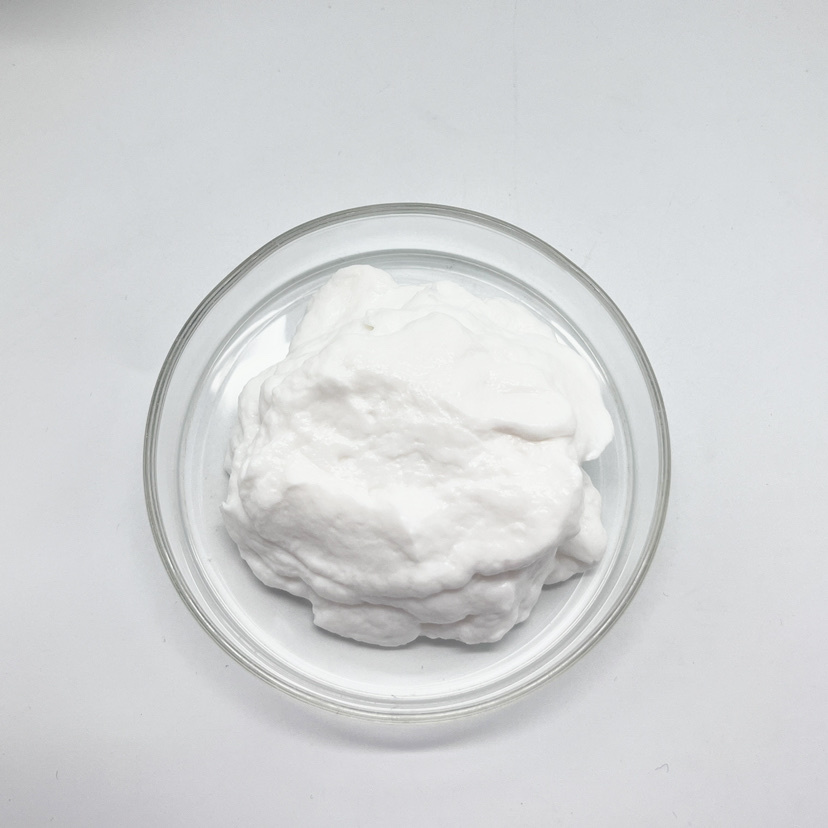
In medical applications, products like Fibrillar Atelocollagen Slurry demonstrate collagen’s ability to promote tissue regeneration, showing how fibrillar proteins aid in healing and recovery.
Keratin plays a crucial role in forming the protective layers of skin, hair, and nails. This tough, fibrous protein keeps these tissues strong and resilient against external damage. Keratin helps the body maintain its outer protection, making it essential for overall body defense.
Elastin is responsible for the elasticity in tissues such as the skin, lungs, and blood vessels. Its ability to stretch and return to its original shape ensures that these organs remain flexible, allowing them to expand and contract as needed without damage.
Fibrillin is another important fibrillar protein found in connective tissues. It contributes to the formation of microfibrils, which support the strength and elasticity of blood vessels and skin. Fibrillin ensures that tissues maintain their structure while allowing for movement.
Found in insects, resilin is an incredibly elastic protein. It’s responsible for the quick, flexible movements of insect wings, making it one of the most efficient proteins when it comes to elasticity. Resilin’s ability to store and release energy plays a key role in insect flight and other fast movements.
| Fibrillar Protein | Function | Structural Feature | Applications/Importance |
|---|---|---|---|
| Collagen | Provides strength and flexibility to tissues like skin, bones, tendons, and cartilage. | Triple-helix structure that resists tensile forces while maintaining flexibility. | Critical for tissue engineering and medical applications like Fibrillar Atelocollagen Slurry, used in regenerative medicine. |
| Keratin | Forms protective layers in skin, hair, and nails, helping them resist physical wear and tear. | Tough, fibrous structure that provides durability and resilience. | Protects the body from environmental damage such as harsh weather, chemicals, and UV radiation. |
| Elastin | Provides elasticity to tissues like skin, lungs, and blood vessels, allowing them to stretch and return to their original shape. | Hydrophobic and cross-linked domains that allow stretching and recoiling. | Maintains the flexibility of organs, particularly in blood vessels, helping them adapt to changes in blood pressure. |
| Fibrillin | Provides strength and elasticity to connective tissues, forming microfibrils that support the extracellular matrix. | Forms microfibrils that help maintain tissue integrity while allowing flexibility and movement. | Contributes to the structural stability of tissues like blood vessels and skin. |
| Resilin | Enables rapid and flexible movements in insects, such as wing beats and jumping. | Unique molecular structure that allows the storage and quick release of energy. | Vital for insect movement and flight, offering one of the most efficient proteins in terms of elasticity. |
Fibrillar proteins play a crucial role in maintaining the mechanical properties of tissues. Their elongated, fibrous structures allow them to form extensive networks that can withstand stretching, pressure, and deformation. These networks are essential for tissues that need to endure mechanical stress without breaking, such as tendons, ligaments, skin, and bones. By providing strength and flexibility, fibrillar proteins ensure that these tissues remain functional under a variety of physical conditions.
Collagen, for example, contributes to the mechanical properties of tissues by providing tensile strength and flexibility. The triple-helix structure of collagen allows it to resist tensile forces while maintaining elasticity, which is crucial for tissues that need to support the body’s structure while allowing for movement.
In addition to its role in providing strength and flexibility, collagen also helps form scaffolds that hold tissues together. These scaffolds provide stability and support to tissues, ensuring that they function properly. Fibrillar Atelocollagen Slurry, a collagen-based product, is used in medical applications to support tissue regeneration, highlighting how fibrillar proteins like collagen contribute to the healing process.
Fibrillar proteins like elastin and collagen possess a unique ability to store and release energy under mechanical stress. This elasticity is crucial for tissues that need to stretch and return to their original shape, such as blood vessels, lungs, and skin. The molecular structures of elastin and collagen allow them to absorb mechanical stress and release it when the force is removed, providing tissues with the flexibility they need to accommodate changes in shape or volume.
Elastin's molecular structure consists of hydrophobic and cross-linked domains that enable it to stretch and recoil. When elastin is stretched, it stores energy, which is then released when the force is removed. This ability to store and release energy is what gives elastin its remarkable elasticity.
In collagen, the Gly-X-Y repeat pattern plays a significant role in its elasticity. This repeating sequence of amino acids helps collagen molecules align in a way that allows them to stretch without losing their strength. The repeating Glycine-Proline-Hydroxyproline pattern enables collagen to absorb stress and stretch while maintaining its structural integrity.
Together, elastin and collagen work in tissues like blood vessels, where elasticity is essential for accommodating changes in blood pressure. The unique properties of these proteins allow them to provide flexibility and stability to tissues that need to adapt to physical changes.
Fibrillar proteins like collagen have unique repetitive amino acid sequences that are key to maintaining their structural integrity. These sequences allow the proteins to remain stable and functional under stress. In collagen, these repeating sequences help align the molecules, providing strength and flexibility.
A key feature of collagen’s structure is the Gly-X-Y repeat pattern. This triplet of amino acids—glycine, proline, and hydroxyproline—forms a stable structure, giving collagen its strength. The glycine in every third position allows the collagen molecules to pack tightly, which is essential for its durability.
Post-translational modifications like hydroxylation and glycosylation also play a crucial role in stabilizing fibrillar proteins. Hydroxylation adds hydroxyl groups to certain amino acids, helping collagen form its triple-helix structure. Glycosylation involves adding sugar molecules, which stabilize the protein and help it bind with other molecules.
One product, Collagen Wound Dressing Sponge, demonstrates how collagen’s structural properties aid in wound healing and tissue regeneration. It highlights the role of collagen in supporting tissue repair, showcasing its strength and flexibility.
Fibrillar proteins are fundamental for maintaining the mechanical properties of tissues, and when these proteins malfunction, it can lead to a variety of health issues. For example, osteogenesis imperfecta (brittle bone disease), Ehlers-Danlos syndrome, and Marfan syndrome are all associated with defects in collagen. These conditions weaken connective tissues, making skin fragile, joints loose, and bones prone to fractures.
Osteogenesis imperfecta is caused by mutations in the genes responsible for type I collagen, leading to brittle bones that fracture easily. Individuals with this condition may experience multiple fractures throughout their lives, even with minimal trauma. The defects in collagen’s structure reduce the strength of bones, causing them to be more susceptible to fractures. Beyond skeletal issues, osteogenesis imperfecta can also cause other complications like hearing loss, scoliosis, and respiratory problems due to weakened bones in the chest.
Ehlers-Danlos syndrome (EDS) is a group of connective tissue disorders caused by defects in collagen or collagen-modifying enzymes. This condition is characterized by hyper-elastic skin, hypermobile joints, and tissue fragility. People with EDS often experience skin that bruises easily, wounds that heal slowly, and joint dislocations. The lack of collagen stability makes tissues more fragile and less capable of resisting mechanical stress. There are several types of EDS, each linked to mutations in different collagen genes, affecting various tissues in the body.
Marfan syndrome is a genetic disorder caused by mutations in the fibrillin gene, which is responsible for the formation of elastic fibers in connective tissues. The defect in fibrillin weakens these fibers, leading to a variety of symptoms, including tall stature, long limbs, and heart complications. The most serious risk in Marfan syndrome is the weakening of the aorta, which can lead to aneurysms and dissection if left untreated. Fibrillin defects can also affect the eyes and joints, causing vision problems and joint instability.
Fibrillar proteins, particularly collagen, are increasingly used in biomaterials and tissue engineering. Their structural properties make them ideal for creating collagen scaffolds, which are critical for supporting tissue growth and regeneration. These scaffolds provide a framework that allows tissues to repair and regenerate, offering a reliable method for treating injuries and diseases that damage tissues.
Fibrillar Atelocollagen Slurry is one example of a collagen-based product that is used in tissue engineering. This product demonstrates how fibrillar proteins like collagen play a vital role in the healing process by promoting tissue regeneration and supporting the repair of damaged tissues.
Beyond tissue engineering, fibrillar proteins also have applications in biotechnology. Collagen-based dressings and keratin-based polymers are widely used in medical applications, such as wound healing and tissue repair. These fibrillar proteins are also being explored for use in smart medical devices and biomimetic materials that mimic the structure and function of natural tissues. By leveraging the mechanical properties of fibrillar proteins, scientists are developing new materials that improve patient outcomes and advance medical treatments.
For instance, Fibrillar Atelocollagen Slurry is used in biotechnology to support healing at a molecular level. By harnessing collagen’s mechanical properties, this product demonstrates how fibrillar proteins can be applied in clinical settings to promote tissue regeneration and improve healing outcomes.
Fibrillar proteins are essential for maintaining tissue strength, flexibility, and integrity. They play a key role in biomaterials, wound healing, and regenerative medicine, offering significant benefits in medical treatments. Ongoing research into collagen’s therapeutic potential continues to unlock new applications in medical devices, improving patient care and recovery.
A: Fibrillar proteins like collagen provide structural support to tissues by forming long, fibrous structures. They are crucial for tissue strength, elasticity, and resilience, contributing to the mechanical properties of connective tissues.
A: Fibrillar proteins, especially collagen, are used in tissue engineering. They form scaffolds for bone grafts, wound healing, and skin regeneration, providing the structural support necessary for tissue repair and growth.
A: Fibrillar proteins are widely used in biomaterials and medical devices. Products like collagen-based dressings and keratin polymers promote healing, while biomimetic materials mimic natural tissues, offering innovative solutions in medical treatments.